
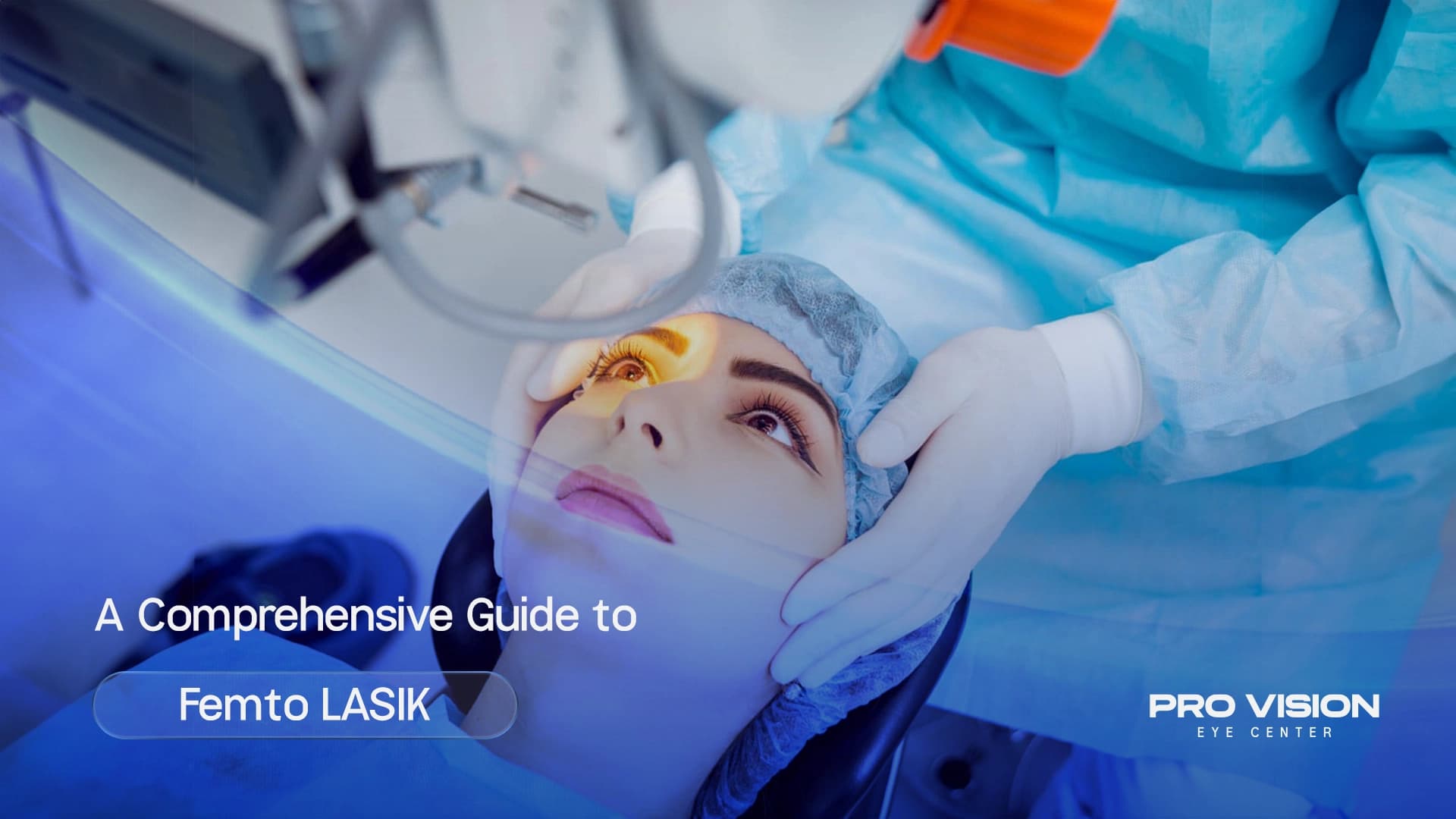
In the pursuit of perfect vision, advancements in ophthalmic surgery have continuously offered new hope. Among these, Femto LASIK stands out as a sophisticated and highly effective procedure for correcting refractive errors. This comprehensive guide delves into the intricacies of Femto LASIK, exploring its benefits, procedural details, recovery expectations, and how it compares to other vision correction methods.
What is Femto LASIK?
Femto LASIK, also known as Femtosecond LASIK or all-laser LASIK, is a modern variation of the traditional LASIK (Laser-Assisted In Situ Keratomileusis) procedure. The fundamental goal of LASIK is to reshape the cornea, the clear front part of the eye, to correct common vision problems such as myopia (nearsightedness), hyperopia (farsightedness), and astigmatism. The key distinction of Femto LASIK lies in how the corneal flap is created.
Unlike conventional LASIK, which uses a mechanical surgical blade called a microkeratome to create the flap, Femto LASIK employs a high-precision femtosecond laser. This laser generates rapid, ultra-short pulses of light to create microscopic bubbles within the corneal tissue, precisely separating a thin, hinged flap. This bladeless approach enhances safety, predictability, and precision during the crucial first step of the LASIK procedure [1].
The Femto LASIK Procedure: A Step-by-Step Overview
The Femto LASIK procedure is typically performed in two main stages:
Stage 1: Flap Creation with a Femtosecond Laser
Numbing the Eye: Anesthetic eye drops are administered to ensure comfort throughout the procedure.
Eye Stabilization: A speculum is used to keep the eyelids open, and a suction ring is applied to the eye to stabilize it and prevent movement. This may cause a temporary dimming or loss of vision.
Laser Application: The femtosecond laser is then used to create the corneal flap. The laser pulses create a layer of tiny bubbles just beneath the corneal surface, precisely outlining the flap's dimensions. This process is quick, usually lasting only 15-30 seconds per eye.
Flap Lifting: Once the laser has completed its work, the surgeon gently lifts the created flap, revealing the underlying corneal tissue.
Stage 2: Corneal Reshaping with an Excimer Laser
Excimer Laser Ablation: The patient is then moved to another laser, the excimer laser. This laser uses a cool ultraviolet light beam to precisely remove microscopic amounts of corneal tissue, reshaping the cornea according to the patient's unique refractive error. This step corrects the vision.
Flap Repositioning: After the reshaping is complete, the corneal flap is carefully repositioned over the treated area. The flap adheres naturally without stitches, beginning the healing process.
The entire procedure for both eyes typically takes less than 30 minutes, with the laser application itself lasting only a few minutes.
Ideal Candidates for Femto LASIK
While Femto LASIK offers remarkable benefits, it is not suitable for everyone. An ophthalmologist will conduct a thorough eye examination to determine candidacy. General criteria include:
Age: Typically 18 years or older, with stable vision for at least one year.
Stable Prescription: No significant changes in vision prescription for at least 12 months.
Overall Eye Health: Healthy eyes free from diseases like glaucoma, cataracts, or severe dry eye syndrome [2].
Corneal Thickness: Sufficient corneal thickness to allow for safe flap creation and reshaping.
Realistic Expectations: Understanding the potential outcomes, risks, and limitations of the procedure.
Certain conditions, such as pregnancy, breastfeeding, autoimmune diseases, or very thin corneas, may disqualify a candidate from Femto LASIK.
Recovery and Post-Operative Care
The recovery process after Femto LASIK is generally rapid, with many patients experiencing significant vision improvement within 24-48 hours. However, complete healing takes longer. Key aspects of recovery and post-operative care include:
Immediate Post-Op: You may experience mild discomfort, burning, itching, or a gritty sensation. Blurred or hazy vision, light sensitivity, and glare are also common. Eye shields are often worn to protect the eyes, especially during sleep [3].
First Few Days: Follow-up appointments are crucial to monitor healing. Prescription eye drops (antibiotics and anti-inflammatory) will be used to prevent infection and reduce inflammation. Avoid rubbing your eyes, strenuous activities, and exposure to water (swimming, hot tubs) [3].
Weeks to Months: Vision may fluctuate during the initial months. Full visual recovery and stabilization can take three to six months. Regular follow-up visits with your surgeon are essential during this period [3].
Risks and Side Effects
While Femto LASIK is considered safe and effective, like any surgical procedure, it carries potential risks and side effects. These can include:
Common Side Effects: Dry eyes, glare, halos, starbursts, and reduced night vision are common temporarily. In most cases, these resolve within a few weeks or months.
Flap Complications: Although rare with femtosecond lasers, issues like incomplete flaps or displaced flaps can occur.
Infection or Inflammation: As with any surgery, there's a small risk of infection or inflammation.
Under- or Over-correction: The eye may be under-corrected, requiring an enhancement procedure, or over-corrected.
Permanent Vision Loss: Extremely rare, but a possibility with any eye surgery [2].
Femto LASIK vs. Other Vision Correction Procedures
Understanding how Femto LASIK compares to other popular laser eye surgeries can help in choosing the best option:
Traditional LASIK
Key Difference: Traditional LASIK uses a mechanical microkeratome blade for flap creation, while Femto LASIK uses a femtosecond laser. The bladeless approach of Femto LASIK generally offers greater precision and a reduced risk of certain flap-related complications.
PRK (Photorefractive Keratectomy)
Key Difference: PRK does not involve creating a corneal flap. Instead, the outer layer of the cornea (epithelium) is removed, and the excimer laser reshapes the underlying corneal tissue directly. PRK has a longer and more uncomfortable recovery period than LASIK but is often recommended for individuals with thinner corneas or those involved in contact sports, as there is no flap to dislodge.
SMILE (Small Incision Lenticule Extraction)
Key Difference: SMILE is a flapless procedure where a femtosecond laser creates a small, lens-shaped piece of tissue (lenticule) inside the cornea, which is then removed through a tiny incision. SMILE is often preferred for higher degrees of myopia and may result in less dry eye post-operatively compared to LASIK [4].
Cost Considerations
The cost of Femto LASIK can vary significantly based on geographic location, the surgeon's experience, the technology used, and whether pre- and post-operative care is included. While it may be slightly more expensive than traditional LASIK due to the advanced laser technology, many consider the enhanced safety and precision worth the investment. It's important to discuss all costs and financing options with your clinic.
Conclusion
Femto LASIK represents a pinnacle in refractive surgery, offering a precise, safe, and effective solution for many seeking freedom from glasses and contact lenses. By utilizing advanced femtosecond laser technology for flap creation, it minimizes risks and enhances outcomes, paving the way for clearer vision. If you are considering this life-changing procedure, a thorough consultation with a qualified ophthalmologist is the essential first step to determine if Femto LASIK is the right choice for you.