
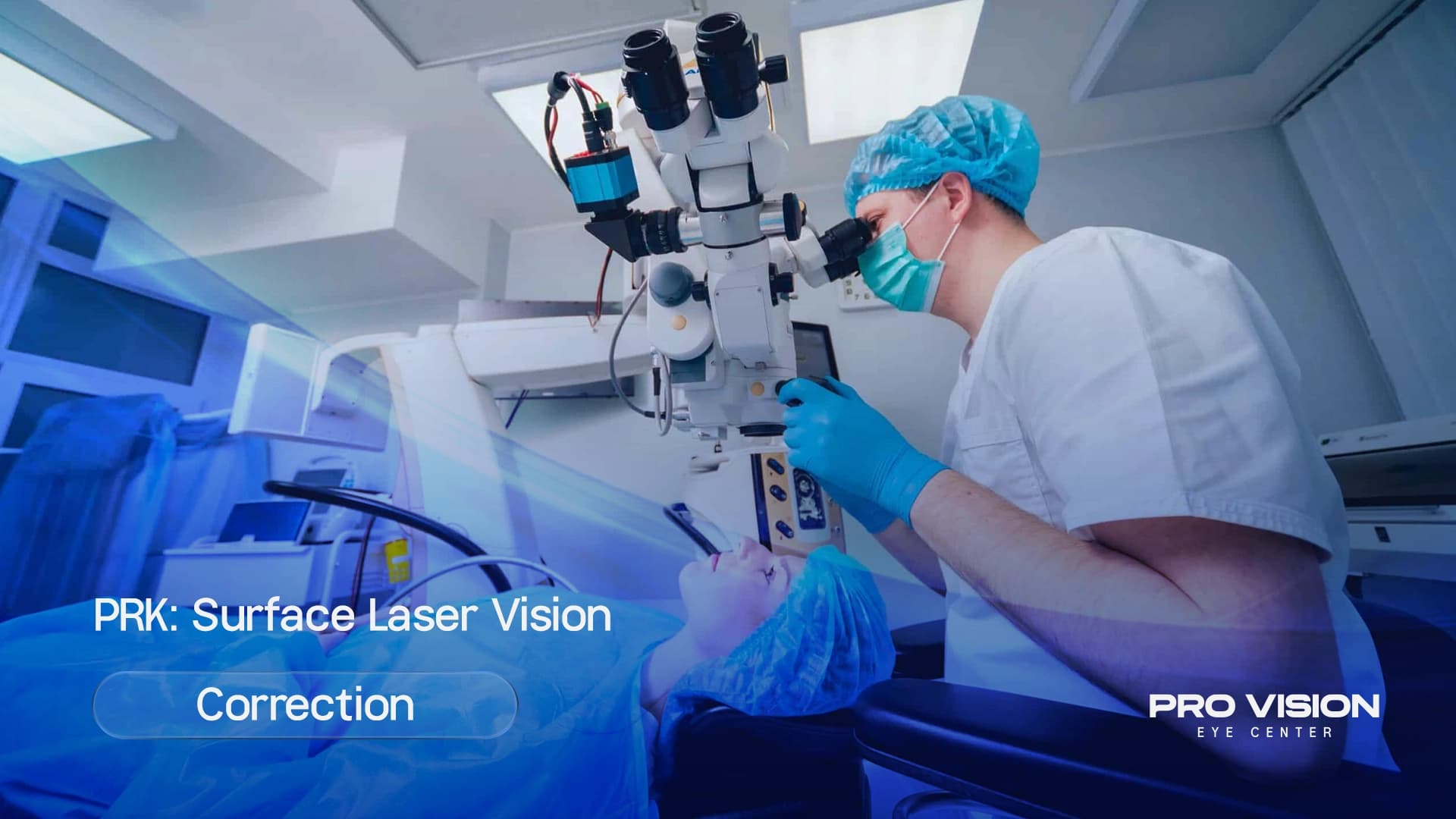
Many people find it hard to keep up with glasses or contacts. But, there's a permanent solution to help you see better without them.
Refractive Lens Exchange - pro vision is a big change for your eyes. It's not like old laser treatments. This new method changes your eye's lens to fix vision problems. It's a reliable alternative for those tired of glasses and daily care.
Starting your refractive lens exchange journey is easy and welcoming. We make sure you're comfortable and clear about what's happening. Knowing what to expect makes you feel ready and excited for your new visual independence.
Understanding the Refractive Lens Exchange Procedure
Learning about how vision works is key to better sight. Many people choose refractive lens exchange to stop using glasses and contacts.
This refractive surgery changes the eye's inside to fix vision problems. Going to a trusted eye center in Egypt means you get top tech for safe and precise care.
What is Refractive Lens Exchange?
The rle procedure takes out your old lens. Then, a new, clear lens is put in. This new lens is made just for you.
This new lens lets light hit your retina right. It won't get cloudy like your old lens did. So, you'll see clearly for a long time.
Who is a Candidate for Lens Replacement Surgery?
To see if you can get lens replacement surgery, you need a doctor's check-up. They look for certain things to make sure it works well for you.
Here are some things doctors check:
Age: You should be over 40.
Prescription Stability: Your vision should not change much in a year.
Eye Health: Your eyes need to be healthy and free from big problems.
Lifestyle Goals: You want to not need reading glasses or bifocals as much.
The rle procedure is great for those who can't have other refractive surgery. It gives you clear vision for a busy life.
Preparing for Your Surgery and What Happens During the Procedure
Getting ready for your lens exchange surgery is key. It starts long before you go into the operating room. Being well-prepared is the first step to a good outcome.
Steps to Take Before Your Eye Surgery
Your doctor will give you a special list to follow. This list helps you get ready for your vision correction surgery. It makes sure you're safe and heals faster.
Do all the eye exams and health checks your doctor asks for.
Make sure someone you trust can drive you home after surgery.
Talk to your surgeon about your medicines to see if you need to change anything.
Don't wear makeup, lotions, or perfume on surgery day to keep things clean.
The Surgical Process Explained
The RLE procedure is a precise surgery to improve your life. It replaces your natural lens with a new one. This fixes many vision problems.
Anesthesia and Comfort Measures
Your comfort is the main goal during your eye surgery. Most get numbing eye drops to block pain.
You'll be awake but very calm during the surgery. Many find it's quicker and less scary than they thought.
The Lens Implantation Technique
During this refractive surgery, a small cut is made to get to the lens. The surgeon takes out the old lens that's causing problems.
Then, they put in a new, special lens. This lens replacement surgery makes your vision clear and sharp again.
Recovery Timeline and Achieving Clear Eyesight
After your lens exchange surgery, your journey to clear vision starts. The surgery is quick, but the days after are key. Taking good care of your eyes in these days helps them adjust well.
Immediate Post-Operative Care
Right after your surgery, rest and relax. Go home and keep your eyes closed. Your doctor will tell you how to protect your eyes while they heal.
Here are some important care tips:
Wear your protective eye shields as directed, especially while sleeping.
Use all prescribed eye drops exactly on the schedule provided by your clinic.
Avoid rubbing or touching your eyes to prevent irritation.
Keep water and soap away from your eyes during the first few days.
Managing Expectations During the Healing Process
Feeling excited and curious is normal as you wait for your vision to get better. Most people see big changes in the first week. But, your eyes need time to get used to the new lenses.
You might feel a bit of light sensitivity or dryness. These feelings will go away as your eyes heal. Being patient is important for the best results from your surgery.
Long-Term Benefits for Your Vision
The main goal is to live without glasses or contacts. Many people say their vision feels better and more natural. Doing everyday things becomes easier without glasses or contacts.
Having clear vision lets you enjoy hobbies more. Whether reading, driving, or looking at scenery, the benefits are huge. You can look forward to a future where your vision is no longer a worry.